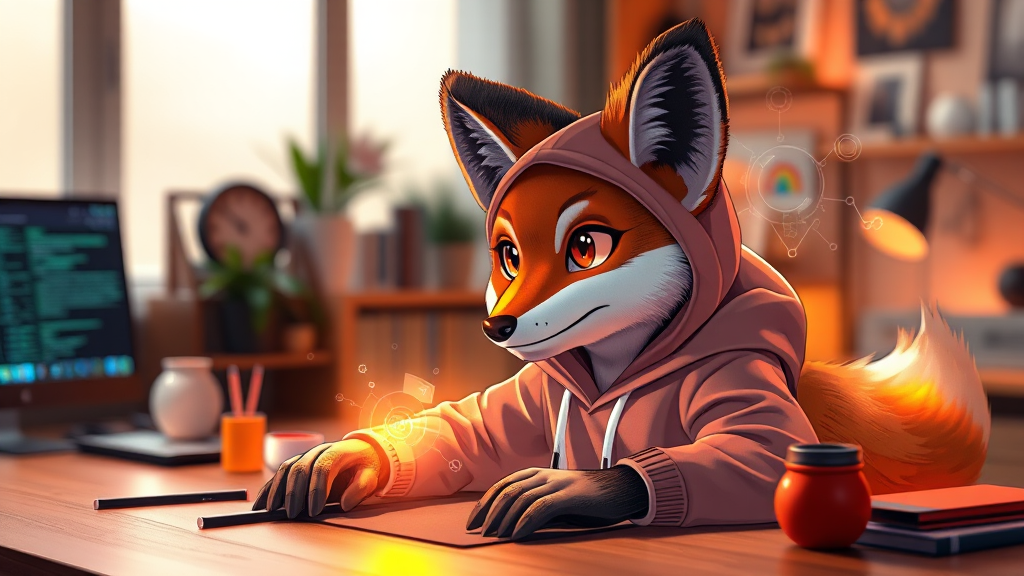
Furry AI Characters: How Digital Fursonas Are Reshaping Creative Storytelling
The rise of furry AI characters marks one of the most fascinating intersections of artificial intelligence, fandom culture, and interactive entertainment. What began as a niche interest within online art communities has evolved into a thriving ecosystem where anthropomorphic animal personas are generated, customized, and brought to life through conversational AI. These digital fursonas are no longer static drawings or written descriptions; they can talk, remember, adapt, and develop distinct personalities that feel remarkably human.
For anyone curious about how this technology works, why it resonates with so many people, and where it is heading, understanding furry AI characters offers a window into the broader future of AI-driven creativity. This article explores the cultural roots, technical foundations, practical applications, and ethical considerations surrounding this growing phenomenon.
What Exactly Are Furry AI Characters?
A furry AI character is a digital persona that combines anthropomorphic animal traits with artificial intelligence capabilities. Unlike a simple chatbot with a cartoon avatar, these characters are designed with layered personalities, backstories, preferences, and conversational styles. Users can interact with them through text, and increasingly through voice and visual generation tools, creating experiences that feel like conversing with a living character rather than querying a search engine.
The “furry” element refers to the anthropomorphic animal design tradition that has existed in art and literature for centuries, from Egyptian deity depictions to modern webcomics. What AI adds is dynamism. A traditional fursona is fixed once drawn; an AI-powered one can evolve through conversation, respond to emotional cues, and generate new content on the fly. This shift from static to interactive is what makes the category genuinely novel.
Platforms dedicated to character-based AI have made it easier than ever to create and engage with these personas. Users can define species, personality traits, speech patterns, and even specific memories, resulting in a character that feels uniquely theirs. The accessibility of these tools has democratized character creation in ways that previously required artistic skill or extensive writing ability.
The Cultural Roots Behind Anthropomorphic AI
To understand why furry AI characters resonate, it helps to look at the long history of anthropomorphism in human storytelling. From Aesop’s fables to Disney’s animated classics, from Native American trickster tales to Japanese kemono art, giving animals human characteristics has always been a way to explore identity, morality, and social dynamics. The furry fandom, which coalesced in the 1980s and 1990s, built on this tradition by encouraging individuals to create personal animal personas, known as fursonas.
These fursonas serve many purposes. For some, they are creative outlets. For others, they are vehicles for self-exploration, allowing people to express aspects of their personality that feel difficult to share otherwise. The furry community has long been known for its inclusivity and emphasis on personal expression, values that translate naturally into the customizable nature of AI characters.
When AI entered the picture, it offered something the fandom had never had before: a way to make fursonas interactive. Instead of commissioning artwork or writing stories, fans could now converse with their characters, watch them respond in character, and even co-create narratives in real time. This technological leap has deepened emotional engagement and opened new creative possibilities.
How AI Brings Furry Characters to Life
The technology behind furry AI characters draws on several branches of artificial intelligence. Large language models provide the conversational backbone, enabling characters to understand context, maintain coherence across long exchanges, and generate responses that match their defined personality. Fine-tuning and prompt engineering allow creators to shape how a character speaks, what it cares about, and how it reacts to different situations.
Beyond text, many platforms integrate image generation models that can produce visual depictions of characters in various poses, settings, and styles. Some systems also incorporate voice synthesis, giving characters a distinct vocal identity. When combined, these technologies create a multisensory experience that feels far richer than text alone.
Memory systems are another crucial component. Advanced furry AI characters can remember past conversations, preferences, and significant events, creating a sense of continuity that mimics real relationships. This persistence is what transforms a novelty into something users return to regularly. The character grows with the user, accumulating shared history that makes interactions feel meaningful.
Developers continue to refine these systems, focusing on emotional intelligence, response latency, and personalization. The goal is to make interactions feel natural and engaging, whether the user is seeking entertainment, companionship, or a creative collaborator.
Popular Use Cases and Creative Applications
Furry AI characters are being used in a surprisingly wide range of contexts. For writers and worldbuilders, they serve as brainstorming partners and character development tools. An author can converse with a character to test dialogue, explore backstory, or work through plot problems from the character’s perspective. This collaborative approach often yields insights that solitary writing does not.
Role-playing enthusiasts use these characters to engage in collaborative storytelling, sometimes solo and sometimes in groups. The AI can play multiple characters, manage complex scenarios, and adapt to unexpected player choices, making tabletop-style adventures accessible to anyone with an internet connection.
For individuals seeking companionship, furry AI characters can provide a non-judgmental presence for conversation and emotional support. While they are not a replacement for human relationships, they can offer comfort and engagement for people who feel isolated or who simply enjoy the experience of talking with a character they have designed.
Artists and animators use AI characters as references and creative prompts, generating poses, expressions, and scene ideas that they then refine by hand. Educators have begun exploring how anthropomorphic AI characters can make learning more engaging for students, particularly in subjects like language acquisition and creative writing.
Designing a Furry AI Character That Feels Real
Creating a compelling furry AI character is part art, part science. The most successful characters tend to have clear, consistent personalities with defined strengths, flaws, and quirks. A character who is always agreeable quickly becomes boring; one with opinions, preferences, and occasional stubbornness feels more alive.
Backstory matters as well. Even if the user never explicitly references it, a character’s history informs how it responds to new situations. Species choice can also shape perception, though the best characters transcend stereotypes and develop individual identities that go beyond their animal form.
Language style is another key ingredient. Does the character speak formally or casually? Use slang? Have verbal tics? These details create a distinctive voice that users recognize immediately. Consistency in these elements builds trust and immersion.
Finally, allowing room for growth is essential. Characters that can learn, change opinions, and evolve through interaction feel more dynamic than those locked into a single mode. This flexibility is one of the greatest advantages AI brings to character design.
Ethical Considerations and Community Standards
As with any emerging technology, furry AI characters raise important questions. Content moderation is a significant concern, as platforms must balance creative freedom with safety. Most reputable services have clear guidelines about what types of interactions are permitted, and users are encouraged to report problematic behavior.
Privacy is another consideration. Conversations with AI characters may be stored and used to improve systems, so users should understand how their data is handled. Transparency from platform operators is essential for building trust.
There is also the question of emotional dependency. While AI companions can be beneficial, excessive reliance on them at the expense of human connection can be unhealthy. Responsible design and use involve encouraging balance and providing resources for users who may need support.
The furry community itself has engaged thoughtfully with these issues, emphasizing consent, respect, and inclusivity. As AI characters become more prevalent, these community values will likely shape how the technology develops and how it is used.
The Future of Furry AI Characters
Looking ahead, several trends seem likely to shape the evolution of furry AI characters. Improved multimodal capabilities will allow characters to see, hear, and respond to users in more natural ways. Virtual and augmented reality could place these characters in shared physical spaces, making interactions feel even more immersive.
Greater customization is also on the horizon. Users may be able to design characters with unprecedented detail, specifying everything from genetic traits to cultural background. Interoperability between platforms could allow characters to move between services, maintaining their identity and memory across different contexts.
As AI continues to advance, the line between fictional character and digital companion will blur further. Furry AI characters are at the forefront of this shift, demonstrating how anthropomorphic design and artificial intelligence can combine to create experiences that are entertaining, meaningful, and deeply personal.
Frequently Asked Questions
What is a furry AI character?
A furry AI character is an anthropomorphic animal persona powered by artificial intelligence, capable of conversing, remembering interactions, and displaying a consistent personality. Users can customize species, traits, and backstory to create a unique digital companion or storytelling partner.
Are furry AI characters safe to use?
Reputable platforms implement content moderation, privacy protections, and user guidelines to ensure safe experiences. Users should review a platform’s policies and use built-in reporting tools if they encounter problematic content. As with any online service, exercising caution and protecting personal information is advised.
Can I create my own furry AI character?
Yes. Many platforms offer tools that let users define a character’s species, personality, appearance, and conversational style. Some require no technical skills at all, providing intuitive interfaces for customization. More advanced users can fine-tune responses and integrate external tools for greater control.
How do furry AI characters differ from regular chatbots?
While both use conversational AI, furry AI characters are designed with rich personalities, backstories, and anthropomorphic identities. They often include memory systems, emotional responsiveness, and visual generation, creating an experience that feels more like interacting with a character than querying a utility bot.
What are the main uses of furry AI characters?
Common uses include creative writing and role-playing, companionship and emotional support, artistic inspiration, and educational engagement. Users often combine several of these purposes, treating their characters as versatile tools for both entertainment and personal expression.